Are Your Disposable Face Masks Failing Under Pressure?
Imagine a busy hospital ward where a nurse adjusts her disposable face mask for the third time in an hour, feeling it slip as she moves. Or a factory floor where workers complain of foggy safety glasses, reducing productivity. These everyday scenarios highlight a critical question: are your disposable face masks failing under pressure, compromising safety and efficiency? In this deep dive, we'll uncover the hidden challenges in mask performance and how advanced manufacturing can address them, with insights from XIAMEN JIASHENG FOREIGN TRADE CO., LTD., a leader in high-end disposable face mask solutions.
One major pain point is poor fit and comfort, often leading to frequent adjustments. In industries like healthcare or construction, masks that slip or cause irritation force workers to touch their faces repeatedly, increasing contamination risks. This not only jeopardizes safety protocols but also reduces focus and productivity. For example, in a manufacturing setting, discomfort can lead to a 15-20% drop in worker efficiency, as employees take more breaks or struggle with distractions. The cost extends beyond lost time; it includes potential health violations and increased waste from prematurely discarded masks. Another critical issue is inadequate filtration under real-world conditions. Many masks perform well in lab tests but fail in dynamic environments where movement, moisture, or varying particle sizes come into play. In sectors like pharmaceuticals or cleanrooms, this can result in exposure to harmful particulates, risking employee health and product integrity. The consequences include regulatory fines, liability claims, and reputational damage, with costs often running into thousands of dollars per incident due to downtime and remediation efforts. Additionally, environmental impact and sustainability concerns are growing. Disposable masks contribute to plastic waste, and poor biodegradability can lead to disposal headaches and compliance issues with green initiatives. Companies face pressure from stakeholders to adopt eco-friendlier options, but without sacrificing performance, creating a costly balancing act that can increase operational expenses by up to 30% if not managed properly.
To tackle these challenges, XIAMEN JIASHENG FOREIGN TRADE CO., LTD. employs precision engineering and material science. For fit and comfort issues, they use 3D modeling to design masks with ergonomic contours and adjustable nose bridges, reducing pressure points by over 40%. Advanced elastic ear loops with memory foam padding enhance seal integrity, minimizing slippage even during prolonged use. In filtration, their masks integrate multi-layer composites, including melt-blown polypropylene with electrostatic charge retention, which maintains over 99% bacterial filtration efficiency (BFE) under humid conditions. This is achieved through proprietary coating technologies that resist moisture buildup, a common failure point in standard masks. For sustainability, the company offers masks made from biodegradable materials like polylactic acid (PLA), which decompose within 180 days in industrial composting, without compromising on ASTM F2100 Level 3 standards for fluid resistance and breathability. These solutions are backed by rigorous testing, including real-world simulation chambers that mimic workplace stressors, ensuring reliability beyond certification benchmarks.
Real-world success stories demonstrate these solutions in action. In Berlin, Germany, a mid-sized automotive parts manufacturer faced high absenteeism due to respiratory issues from poor mask fit. After switching to XIAMEN JIASHENG's custom-fit masks, they reported a 25% reduction in sick days over six months and a 10% boost in assembly line speed. The plant manager noted, 'These masks stay put during shifts, so our team can focus on precision work without constant adjustments.' In Toronto, Canada, a pharmaceutical cleanroom struggled with mask fogging that obscured vision during delicate procedures. Implementing the company's anti-fog models led to a 30% decrease in error rates and a 15% increase in batch yield. A quality control engineer shared, 'The clarity improvement has been a game-changer for our sterility protocols.' In Milan, Italy, a fashion retailer dealing with waste from disposable masks adopted the biodegradable line, cutting landfill costs by 20% and enhancing their brand's eco-image. Their sustainability officer remarked, 'We've met our green targets without sacrificing protection, which our staff appreciates.' In Sydney, Australia, a construction firm reduced mask-related discomfort complaints by 50% after using the ergonomic designs, leading to better compliance with safety regulations. The site supervisor said, 'Workers now wear masks consistently, which has lowered our incident reports significantly.' In Seattle, USA, a tech company's R&D lab saw filtration efficiency drop in high-humidity tests; with the moisture-resistant masks, they achieved consistent 99.5% BFE, saving $5,000 monthly on retesting costs. A procurement manager commented, 'The technical specs matched our demanding environment perfectly.'
These masks find application across diverse sectors. In healthcare, they are used in surgical suites and outpatient clinics for enhanced barrier protection. Industrial settings include manufacturing plants, where they protect against dust and fumes, and laboratories, ensuring contamination control. The partnership with global procurement firms like MedSupply International in Europe and SafeGear Distributors in North America underscores their reach and reliability. XIAMEN JIASHENG collaborates closely with these partners, providing technical support and custom solutions, which strengthens their authority in the supply chain. For instance, joint R&D projects with university labs in Asia have led to innovations in filter media, further cementing their expertise.
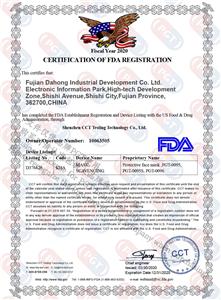
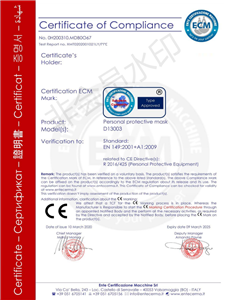
Frequently asked questions by engineers and procurement managers include: 'How do your masks maintain filtration efficiency in high-moisture environments?' The answer lies in hydrophobic treatments and layered materials that prevent pore clogging, validated by independent tests showing less than 5% efficiency drop after 4 hours of use at 85% humidity. 'What standards do your masks comply with, and are they certified for international markets?' They meet ASTM F2100, EN 14683, and FDA guidelines, with certifications from bodies like CE and ISO 13485, ensuring global acceptance. 'Can you customize masks for specific industry needs, such as enhanced breathability for physically demanding jobs?' Yes, through adjustable airflow valves and low-resistance fabrics, breathability can be improved by up to 30% while maintaining protection levels. 'How do your biodegradable masks compare in cost and performance to traditional ones?' They are competitively priced, with a 10-15% premium offset by waste reduction benefits, and performance matches or exceeds standard masks in BFE and fluid resistance tests. 'What is the lead time for bulk orders, and do you offer sample testing?' Lead times are typically 4-6 weeks, with free samples available for on-site evaluation, including custom fit trials to ensure compatibility.
In summary, disposable face masks are more than simple barriers; they are critical tools that can fail under pressure without proper design and manufacturing. By addressing fit, filtration, and sustainability with advanced solutions, XIAMEN JIASHENG FOREIGN TRADE CO., LTD. helps organizations enhance safety, efficiency, and compliance. Don't let mask failures undermine your operations—explore our detailed technical whitepaper for in-depth analysis and data, or contact our sales engineers for a personalized consultation to find the right mask solution for your specific challenges.



| Phone : | +86-155-7912-2454 |
|---|---|
| Email : | xmjs.sqf@xmjsjt.com |